
Good pronunciation feels hard until you make it small and repeatable. You don’t need a fancy course, a perfect accent, or an hour a day.
What matters most is being clear and easy to understand. In fact, short practice at home often works better than long, random study sessions because your ears and mouth get steady training, not a once-a-week workout.
If you’re ready to sound clearer without turning your life upside down, start here.
Start with the sounds and speech habits that matter most
Before you try advanced drills, build a base that helps people understand you. Pronunciation is not a beauty contest. It’s more like tuning a radio, you want the message to come through cleanly.
Learn the difference between pronunciation, stress, and rhythm
Pronunciation is how you make sounds in words. That includes vowels, consonants, and ending sounds.
Stress is where your voice gets stronger. In English, some syllables matter more than others. If you stress the wrong part of a word, people may still hear every sound, but the word can still feel off.
Rhythm is how speech moves. English has a beat. Some words are strong, while others get reduced and flow together. That’s why “want to” often sounds like “wanna” in fast speech.
So, clear speech is not only about single sounds. It’s also about timing, energy, and how words connect. If you want a simple way to spot weak areas, this English accent self-test guide can help you hear what needs work.
Find your problem sounds with a quick self-check
Start with a short recording. Read one paragraph out loud, 30 to 60 seconds is enough. Then find a native speaker clip reading something similar and compare the two.
Listen for one thing at a time. First, check vowel sounds. Then listen for missing final sounds, such as the last sound in “worked” or “best.” After that, notice word stress.
Don’t try to fix everything at once. Pick one or two targets. For many learners, that might be pairs like ship/sheep or bat/bet. Small targets give faster wins, and fast wins keep you going.
Use simple home practice methods that train your mouth and ears
Once you know what to work on, keep your practice short and direct. Ten to fifteen minutes a day is enough if you use that time well.
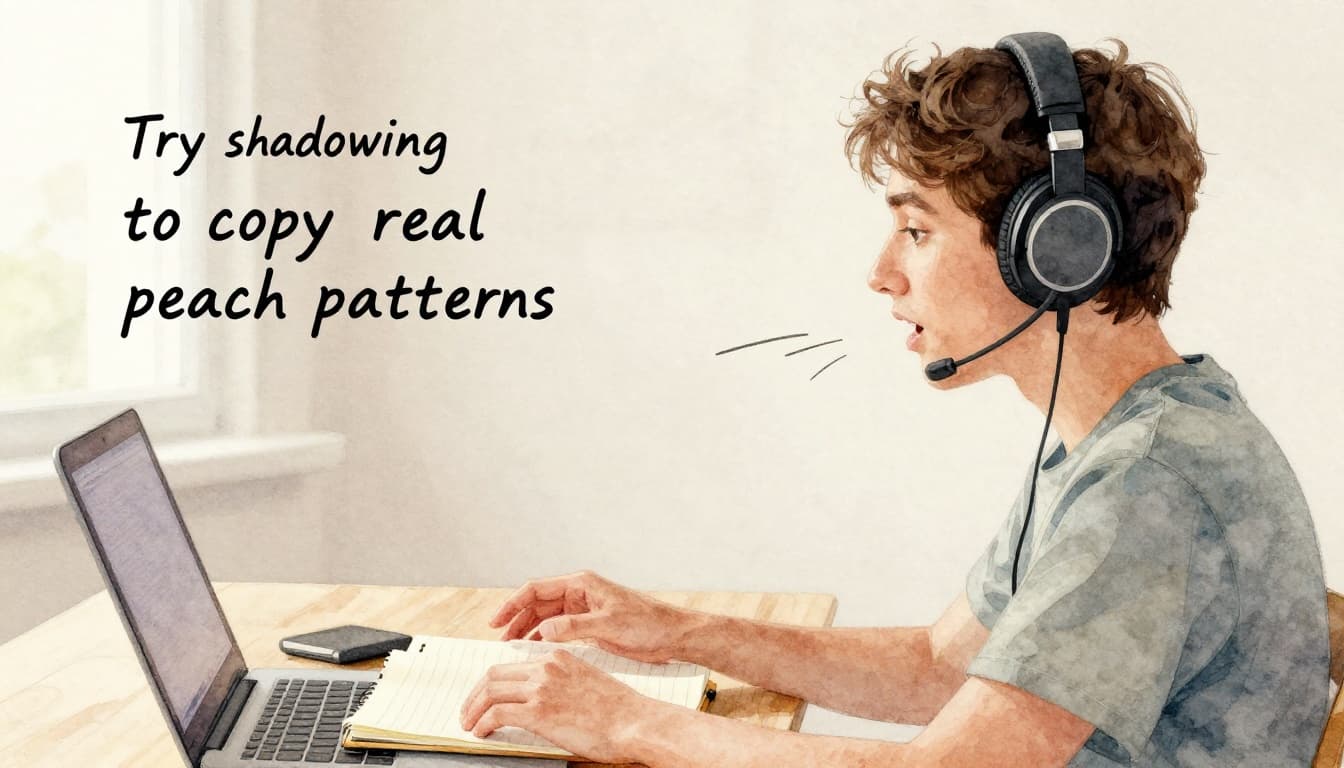
Try shadowing to copy real speech patterns
Shadowing is one of the best ways to sound more natural at home. You listen to a short clip, pause, repeat it, and then say it again while copying the speaker’s pace and tone.
Use short material, not long lessons. A 10-second news clip, a podcast line, or a sentence from a show works well. First, listen once. Next, repeat slowly. Then say it again with the speaker.
This method trains more than sounds. It also improves rhythm, stress, linking, and intonation. If you want a step-by-step example, this shadowing technique explanation breaks it down well.
Record yourself and compare your speech
Your phone recorder is one of the best tools you already own. It doesn’t flatter you, and that’s useful.
Record one sentence three times. Then compare it to the original audio. On the first listen, focus only on vowels. On the second, check final sounds. On the third, listen for stress and pacing.
Save one recording each week. After a month, you’ll hear progress you may not notice day to day. That’s motivating, and it helps you stick with the habit.
Use mirror practice, minimal pairs, and tongue twisters
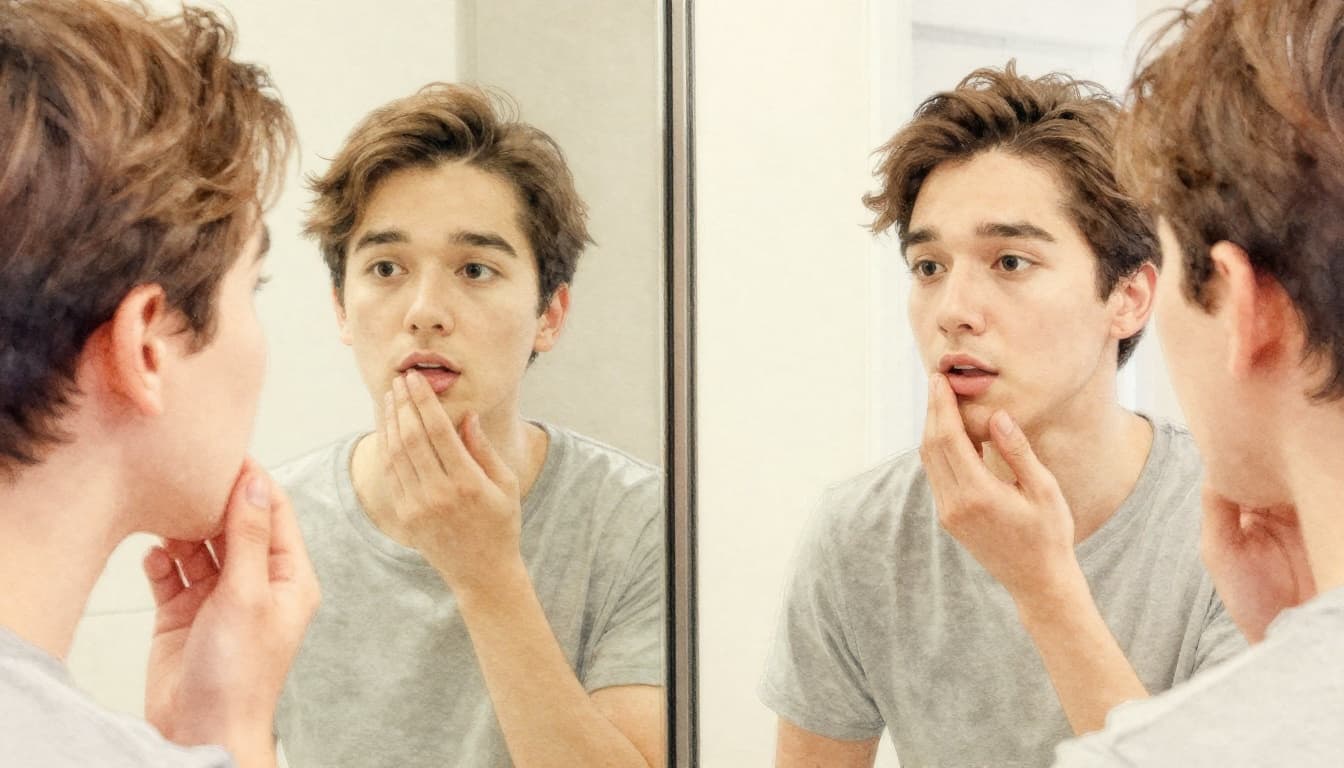
Mirror practice helps when your mouth shape is the issue. Watch how your lips and jaw move for sounds like /th/, /v/, or long vowels.
Minimal pairs help when two sounds keep blending together. Practice pairs like ship/sheep, live/leave, and bat/bet. A good set of minimal pair examples gives you plenty of short drills.
Tongue twisters are useful too, but only in small doses. Use them for control, not speed. “Thirty-three thin thinkers” is enough. Say it slowly first. If you rush, you train mistakes.
Build a daily pronunciation routine you can actually keep
The best routine is the one you’ll still do next week. That means short, clear, and tied to real life.
Follow a 10-minute practice plan for busy days
Here’s a simple plan that works well at home:
| Time | Activity | Focus |
|---|---|---|
| 2 minutes | Listen to a short clip | Notice stress and rhythm |
| 3 minutes | Shadow the clip | Copy flow and mouth movement |
| 3 minutes | Record yourself | Catch one target sound |
| 2 minutes | Review and repeat | Fix the main issue |
This works because it keeps you active the whole time. You listen, speak, check, and correct. That’s much better than passively watching a 20-minute video.
Use habit stacking to make practice automatic
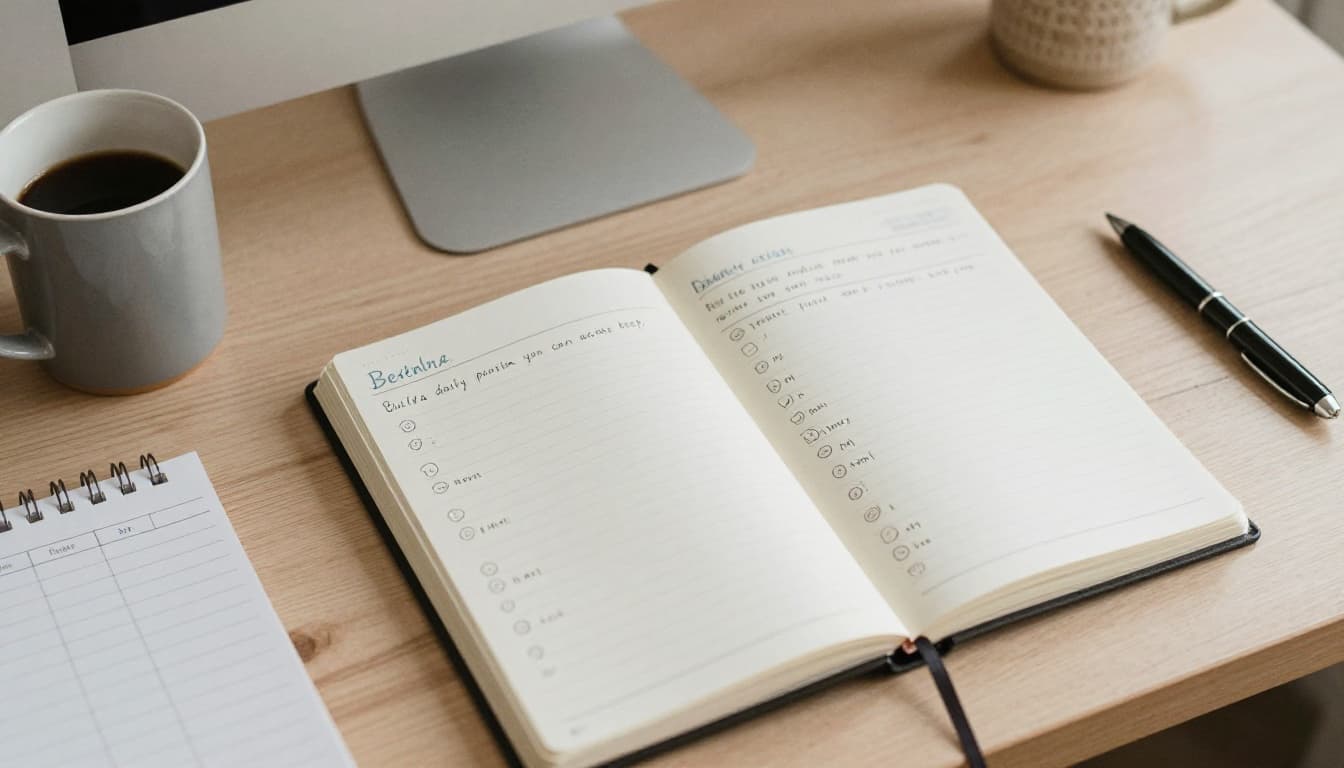
Attach practice to something you already do. For example, shadow one clip after your morning coffee. Record yourself during a walk. Review one sentence before bed.
Habit stacking removes decision fatigue. You don’t wait to feel motivated. You simply follow the cue.
A sticky note on your desk can help. So can a tiny tracker in your notes app. Keep the bar low. Five consistent days beat one heroic session every time.
Choose the best free tools and AI apps for feedback at home
In 2026, AI feedback is one of the biggest home learning trends. That’s useful because pronunciation gets better when you get quick corrections, right after you speak.
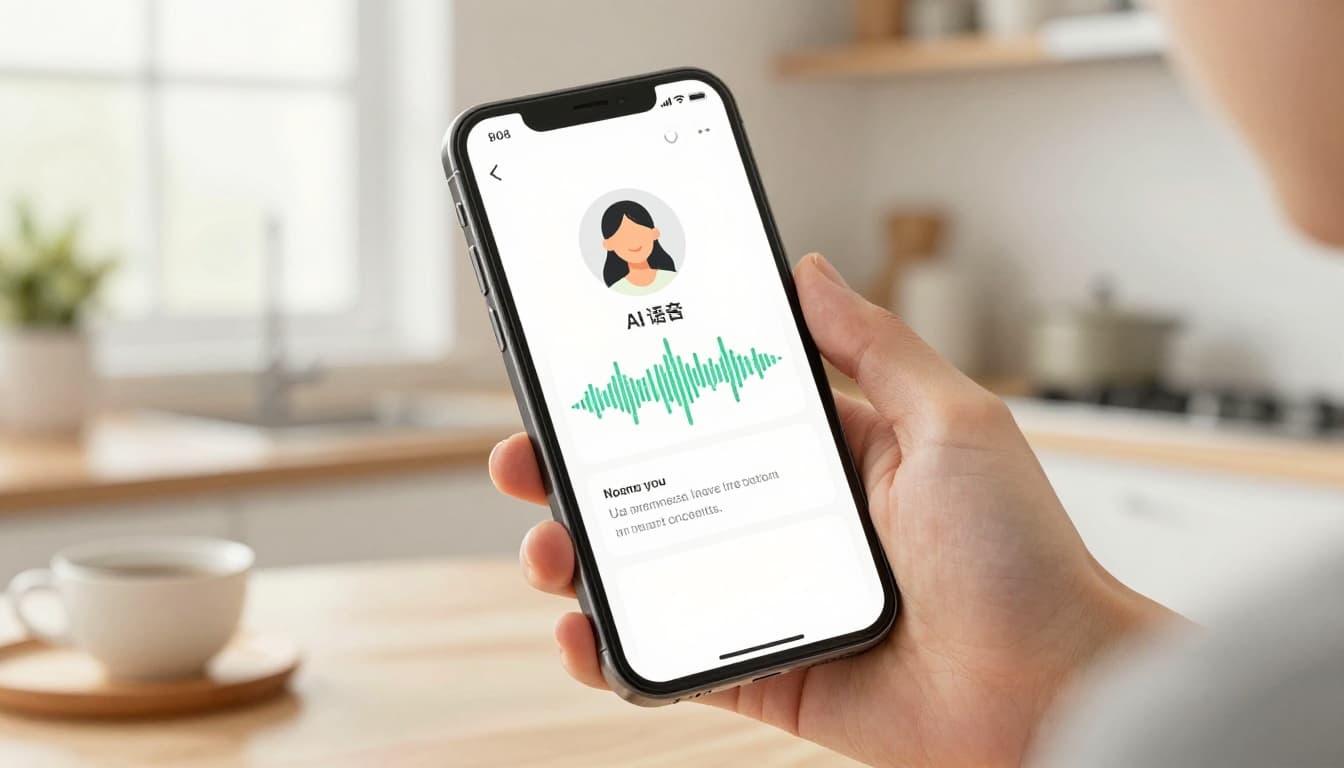
Use AI pronunciation apps to get instant corrections
Apps like ELSA Speak are strong for sound-by-sound feedback. They can show if your vowel is off, if your final consonant disappeared, or if your stress pattern needs work.
Other apps now focus more on conversation. Realtime reports this month highlight ELSA Speak, Fluently AI, MySivi AI, and Practice Me as popular choices for home practice. If you want a broader look at current options, see these AI tools for English learners in 2026.
Still, AI has limits. It can score sounds fast, but human judgment still matters for tone, comfort, and how natural you feel in real conversations.
Make free resources work harder for you
Free tools can work well if you use them with purpose. A phone recorder helps you compare speech. YouTube clips are great for shadowing. Podcasts help with rhythm. Streaming shows give you real speech in context.
The key is not passive listening. Stop after one line. Repeat it. Then record it. That’s where the learning happens.
Some learners also like short app roundups before choosing a tool. This 2026 guide to AI speaking practice apps can help you compare what each type of app does best.
Avoid the common mistakes that slow down pronunciation progress
Progress often stalls for simple reasons, not because you’re “bad at pronunciation.” A few small shifts can save you weeks of frustration.
Stop chasing perfect speech and aim for clear speech
Your goal is not to erase your identity. Your goal is to speak clearly, with confidence, at a natural pace.
Clear beats perfect. If people understand you easily, your pronunciation is doing its job.
Many learners get stuck because they want to sound exactly like a native speaker. That can turn practice into stress. In real life, pacing, stress, and clear vowels usually matter more than sounding identical to someone else.
Do not practice too fast, too much, or without feedback
Fast practice can lock in bad habits. Slow down first. Give your mouth time to learn the shape and timing.
Long sessions can backfire too. After 10 or 15 focused minutes, your attention often drops. That’s when sloppy repetition starts.
Most of all, don’t repeat without checking yourself. Recording, comparing, and correcting are what turn practice into progress. Random repetition is like throwing darts in the dark. You might hit the target once, but you won’t know why.
A better plan is simple: speak, listen back, fix one thing, repeat.
Your pronunciation can improve at home, even with a full schedule. Pick one sound, one method, and one daily time slot, then keep it going for two weeks.
That’s enough time to hear real change. When the message comes through more clearly, confidence usually follows.