Self-study works better than most people think. The problem isn’t learning alone, it’s studying grammar with no plan and no feedback.
If you only read rules, grammar stays stuck in your head like furniture in a box. It looks useful, but you can’t sit on it. You improve faster when you mix short study, real examples, writing, and review.
That simple mix turns grammar from something you know into something you use.
Start with a simple grammar plan you can actually follow
Practicing grammar on your own gets easier when the plan is small. Pick one or two grammar points at a time, then stay with them for a few days. Good starting points include verb tenses, articles, subject-verb agreement, punctuation, and sentence fragments.
Trying to fix everything at once usually creates noise. You forget the rule, miss the pattern, and lose motivation. A narrow focus helps you notice the same structure again and again, which is how grammar starts to stick.
Pick the grammar topics that cause you the most trouble
Don’t study random topics because an app served them to you. Start with your own mistakes.
Look at old emails, journal entries, essays, quiz scores, or grammar checker feedback. If you keep mixing up “a” and “the,” or you often write run-on sentences, that’s your practice target.
Keep a short error list in a notebook or notes app. Write the wrong sentence, the corrected version, and one short reason.
Focus on the mistakes you repeat, not the rules you already know.
Set a weekly goal instead of studying at random
Weekly goals make self-study easier to track. For example, you might study the present perfect this week, then sentence fragments next week.
That gives your practice a shape. It also helps you measure progress because you can ask, “Am I making fewer mistakes with this one topic?” Small wins matter. They keep you going.
Use the best self-study methods, not just grammar rules
Grammar improves fastest in context. In other words, you need to see it, hear it, write it, and review it. Rule memorization has a place, but it shouldn’t be the whole plan.
Learn grammar through real sentences, not isolated rules
Real sentences show how grammar behaves in normal use. That’s far more helpful than staring at labels like “present participle” and hoping they stay in your memory.
Collect example sentences from articles, books, videos, or lessons. Then copy two or three that match the grammar point you’re studying. Change the subject, tense, or object and make your own versions.
If you want extra drills, Grammar Monster’s free grammar lessons and tests can help you practice a topic after you’ve seen it in context.
Write a little every day to turn grammar into a habit
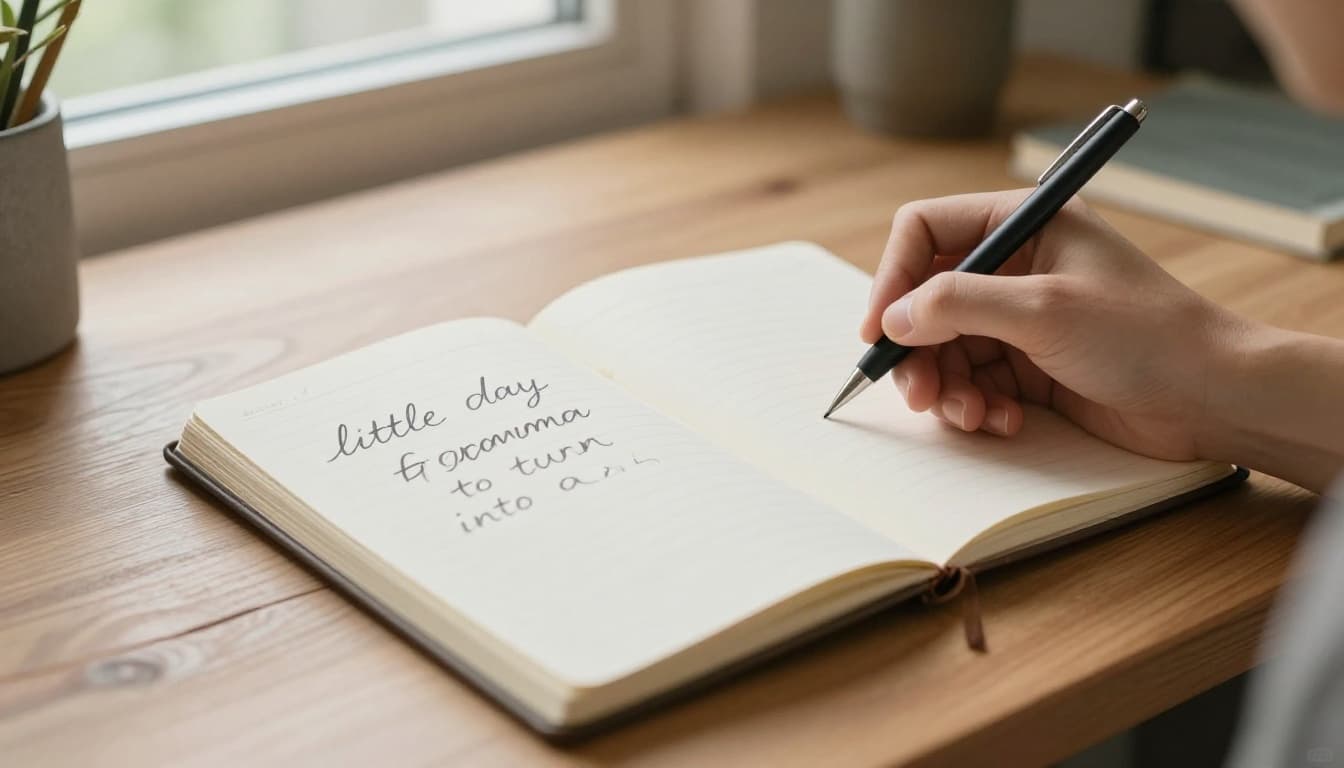
Daily writing doesn’t need to be long. Three to five sentences are enough.
Write about your day, answer a prompt, or describe a photo. Then check one target grammar point in what you wrote. If this week’s focus is articles, only check articles. That keeps the session short and useful.
Over time, your writing becomes a mirror. It shows the same weak spots until you fix them.
Read and listen closely so correct grammar starts to feel natural
Reading and listening train your ear for sentence patterns. That’s why some grammar starts to “sound right” before you can explain the rule.
Choose material slightly above your level. Short news articles, graded readers, podcasts, and video transcripts work well. As of March 2026, free options like BBC Learning English and British Council LearnEnglish are still strong picks for this kind of input. When possible, read while listening so you notice word order, verb forms, and punctuation together.
Choose tools that help you practice and check your work
No single app will teach grammar well on its own. You need a mix of drills, review, and writing feedback.
Best apps and websites for daily grammar practice
A good self-study stack stays simple. Duolingo can help with quick daily review. British Council LearnEnglish Grammar, Perfect English Grammar, and EnglishGrammar.org are useful for focused explanations and exercises. UsingEnglish.com is another option when you want extra practice. For review, Quizlet and Anki work well because spaced repetition helps weak grammar points come back before you forget them.
If you want a broader look at free language apps in 2026, PCMag’s free language app roundup gives a current comparison.
How to use grammar checkers the smart way
Grammar checkers are helpful, but only if you treat them like a coach, not a boss. Don’t accept every suggestion without thinking.
Use the checker to spot patterns. Maybe it keeps flagging comma splices or article errors. That’s your clue to study that topic next. Tools like LanguageTool’s free grammar checker are useful for catching repeated mistakes fast. Grammarly can do the same, but the real learning happens when you ask why the change was made.
Build a short solo routine that is easy to keep up
Short sessions beat long sessions that never happen. Most people can keep a 15 to 30-minute routine, even on busy days.
A 15 to 30 minute daily grammar routine

Here’s a simple routine you can repeat:
| Time | Task | Purpose |
|---|---|---|
| 5 minutes | App review | Warm up with quick drills |
| 5 to 10 minutes | Targeted exercise | Practice one grammar point |
| 5 to 10 minutes | Short writing | Use the grammar in your own sentences |
The takeaway is simple: consistency beats intensity. Fifteen focused minutes every day will do more than one long session each week.
What to review each week so mistakes do not keep coming back
Once a week, review your journal entries, quiz mistakes, and error list. Look for repeat problems.
Then turn those mistakes into flashcards or review prompts in Anki or Quizlet. Spaced repetition works because it brings back the rule before it fades. That small weekly review is often what separates progress from frustration.
Fix common self-study mistakes before they slow you down
A lot of grammar practice fails for the same reasons. The good news is that these mistakes are easy to fix.
Stop chasing perfect grammar in every sentence
If you try to write perfectly from the first word, you’ll freeze. Clear writing should come first. Edit for grammar after you’ve finished the sentence or paragraph.
Perfectionism makes grammar feel heavier than it is. Think of first drafts as clay, not marble. You shape them after they’re on the page.
Do not practice grammar without tracking your errors
Without an error log, the same mistakes keep returning in new clothes. Write down the pattern, the correction, and a short note.
Common trouble spots include tense confusion, article mistakes, run-on sentences, and subject-verb agreement. When you track them, grammar practice stops being vague and starts being personal.
Self-study works when you choose the right targets, practice in real sentences, use helpful tools, and review your mistakes often. That’s the heart of learning grammar on your own.
You don’t need marathon study sessions. You need a small routine you can keep.
Start today with one grammar point, five sentences, and one honest review of your mistakes. That’s how steady improvement begins.